
The longer you look, the more you might discover.
Have you ever looked at an abstract painting and found yourself returning to the same little area? Maybe it's a particular shape, a color, or a mark that seems completely out of place. You might not even know why it caught your attention.
That's one of the things I find interesting about abstract art. You don't necessarily need to understand what you're looking at to have a connection with it.
In my free guide, What Happens Without a Title?, I explore what happens when we experience a painting without being told what we're supposed to see.
It's also one reason I number many of my paintings instead of giving them descriptive titles. I like leaving that interpretation open to the person looking at the work.
But there's another question worth exploring.
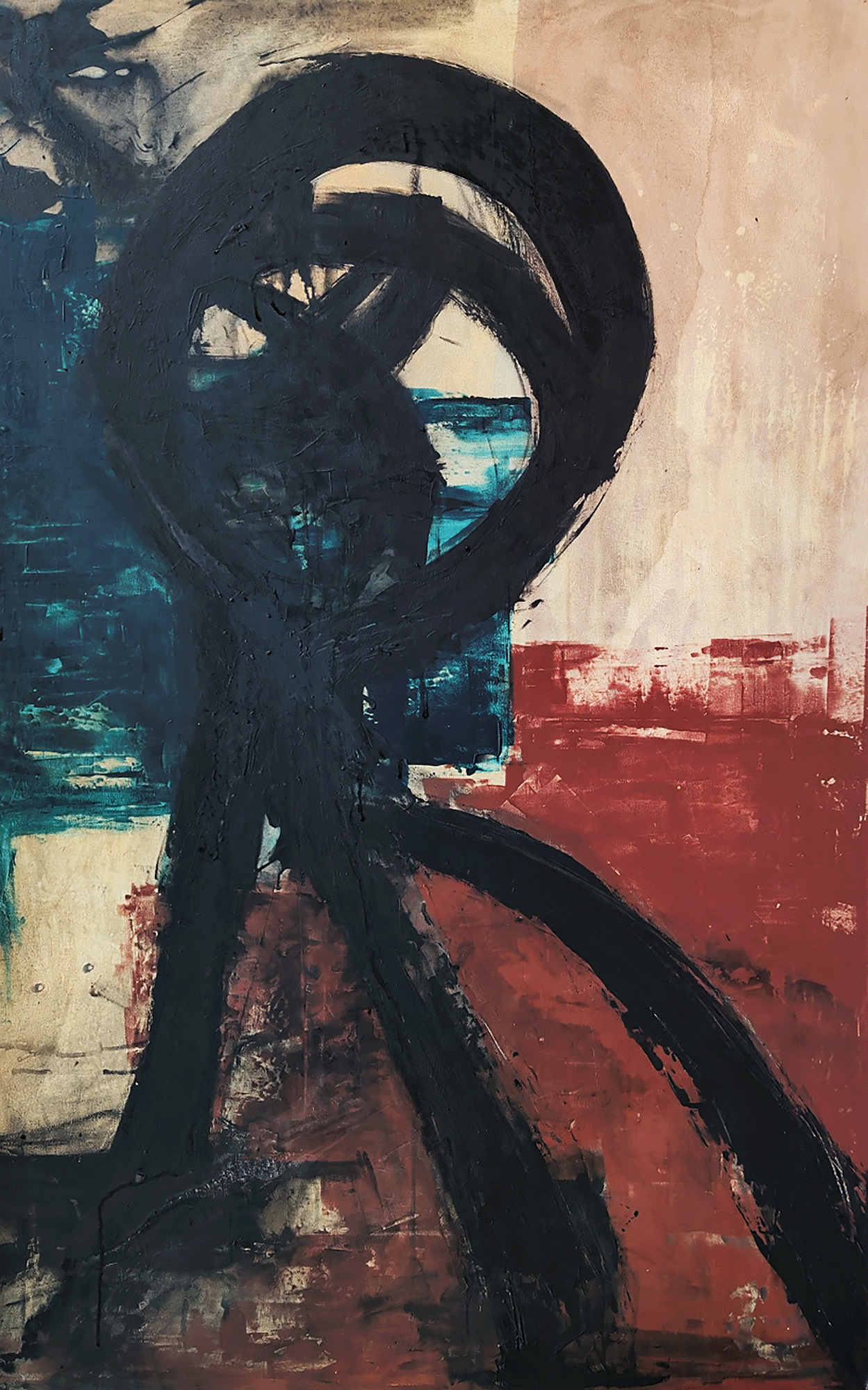
What Happens When You Look a Little Longer?
Most of us look at artwork fairly quickly. Something catches our eye, we form an impression, and we move on.
But what happens when we slow down?
Maybe you initially notice a large dark shape. It's the most obvious thing in the painting, so naturally, that's where your attention goes.
Spend another minute with it, though, and you might notice something else. A faint line underneath a wash of color. An earlier mark that wasn't completely covered. An unusual edge where two colors meet.
Something that was there all along but didn't catch your attention the first time.
And sometimes, nothing changes. You keep returning to that same shape or color.
That's interesting, too.
You Don't Have to Figure It Out
I don't make abstract paintings with the expectation that everyone will discover the same meaning.
My process involves instinctive marks, layering, scraping, covering things up, and occasionally bringing earlier marks back into view. Some decisions are deliberate. Others happen while I'm responding to what's already on the canvas.
I don't always know exactly where a painting is going when I begin.
So I certainly don't expect someone looking at the finished work to arrive at one particular interpretation.
In fact, some of my favorite conversations about my paintings happen when someone points out something I hadn't considered.
They may see a relationship between two shapes that I never consciously intended. Or notice a small detail that I had almost forgotten was there.
I enjoy that. It reminds me that once a painting leaves my studio, someone else gets to have their own experience with it.
Try Looking at an Abstract Painting Twice
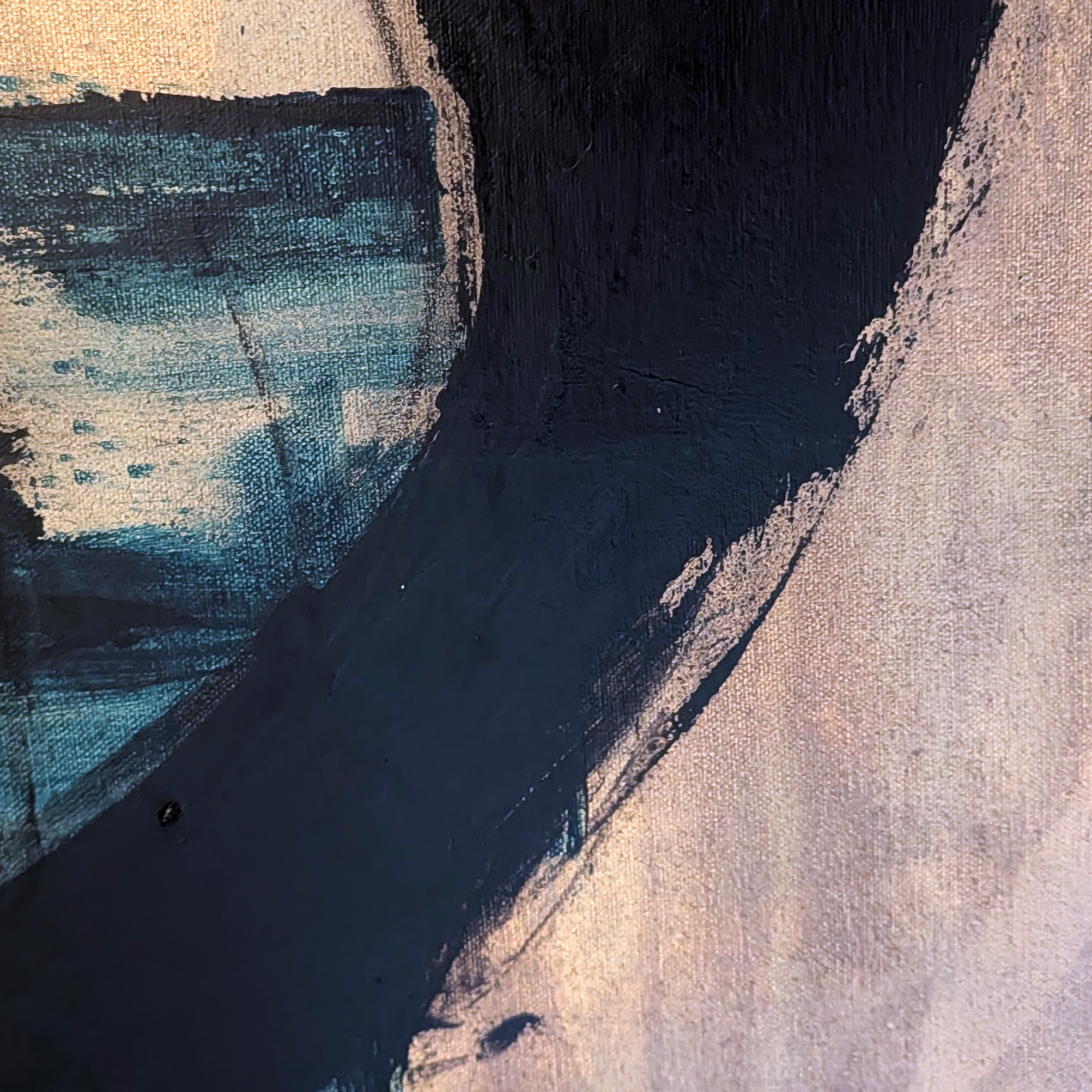
Here's a simple experiment.
Choose an abstract painting. It doesn't need to be one of mine, and you don't need to know anything about the artist.
Spend a minute looking at it without trying to figure out what it means.
Just pay attention to what catches your eye.
Is it a particular color? A shape? A line? Maybe it's an area that feels unfinished or slightly uncomfortable.
Make a mental note of it.
Then walk away.
Come back to the painting a little later and look again.
Do you notice the same thing?
Has something else started to stand out?
You may find that your attention moves somewhere entirely different. Or you may discover that the one thing you noticed initially is still what interests you most.
There's no right answer.
A Painting Doesn't Have to Reveal Everything at Once
Personally, I like artwork that gives me a reason to return.
Not because there's some hidden message I'm supposed to uncover, but because there's enough personality and curiosity in the work to hold my attention.
I think that's part of what makes living with original art interesting. You have the opportunity to encounter the same painting on different days, in different moods, and under different circumstances.
Sometimes you notice something new.
Sometimes you simply enjoy what drew you to it in the first place.
Both experiences are worthwhile.
And neither requires an explanation from the artist.
What Do You Notice?
The next time you look at an abstract painting, try spending another minute with it.
I'd be curious to know what catches your attention first and whether that changes when you return.
And if you're interested in exploring how titles influence the way we experience abstract art, you can download my free guide,
What Happens Without a Title?
You might find yourself looking at paintings a little differently.
