
Why Abstract Art Holds Your Attention
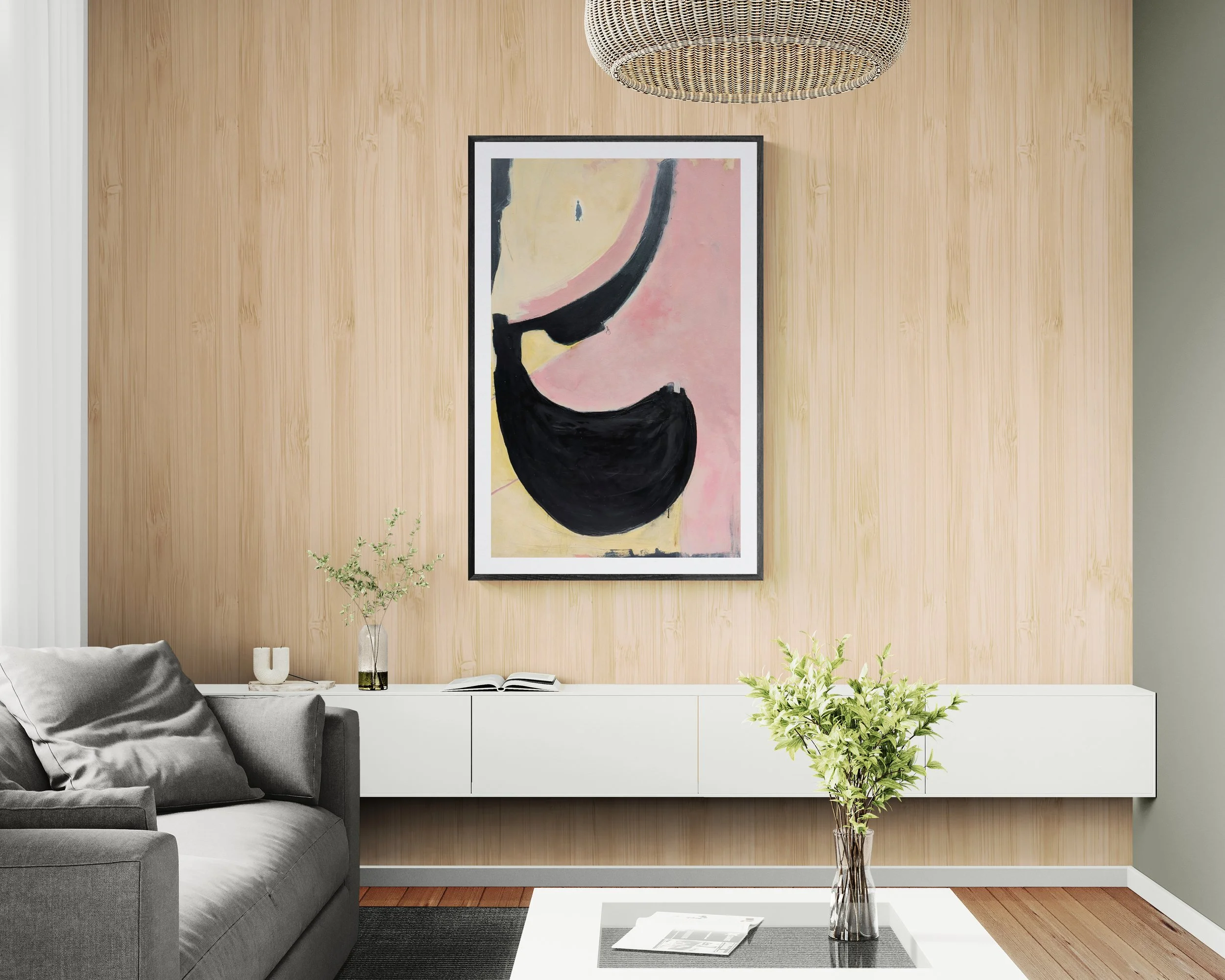
I’ve always liked artwork that gives you something new over time. Not necessarily something dramatic. Sometimes it’s a mark you didn’t notice at first, a scraped-back area, a weird little bit of color hiding underneath something else, or a section that suddenly looks completely different because the light changed.
That’s one of the things I love most about abstract painting. There isn’t always one obvious thing you’re supposed to see, and honestly, I kind of like it when there isn’t. I’m not trying to tell someone exactly what a painting means or what they should feel when they look at it. I’d rather make something that creates a little curiosity and leaves enough room for the person living with it to form their own relationship with it. For me, that’s a big part of what makes an original painting worth living with.
It should keep giving you something to look at
A lot of my paintings are built up slowly. I add things, cover them, scrape areas back, wipe things away, draw over them, and occasionally destroy something I spent several hours making. Always a fun moment.
But honestly, some of the best parts of a painting happen after I stop protecting what I thought was working. I like leaving some of that history visible. You might find:
a line sitting underneath another layer
a stain that almost disappears
a rough area that looks like it has been through something
a bit of color you only notice when you get closer
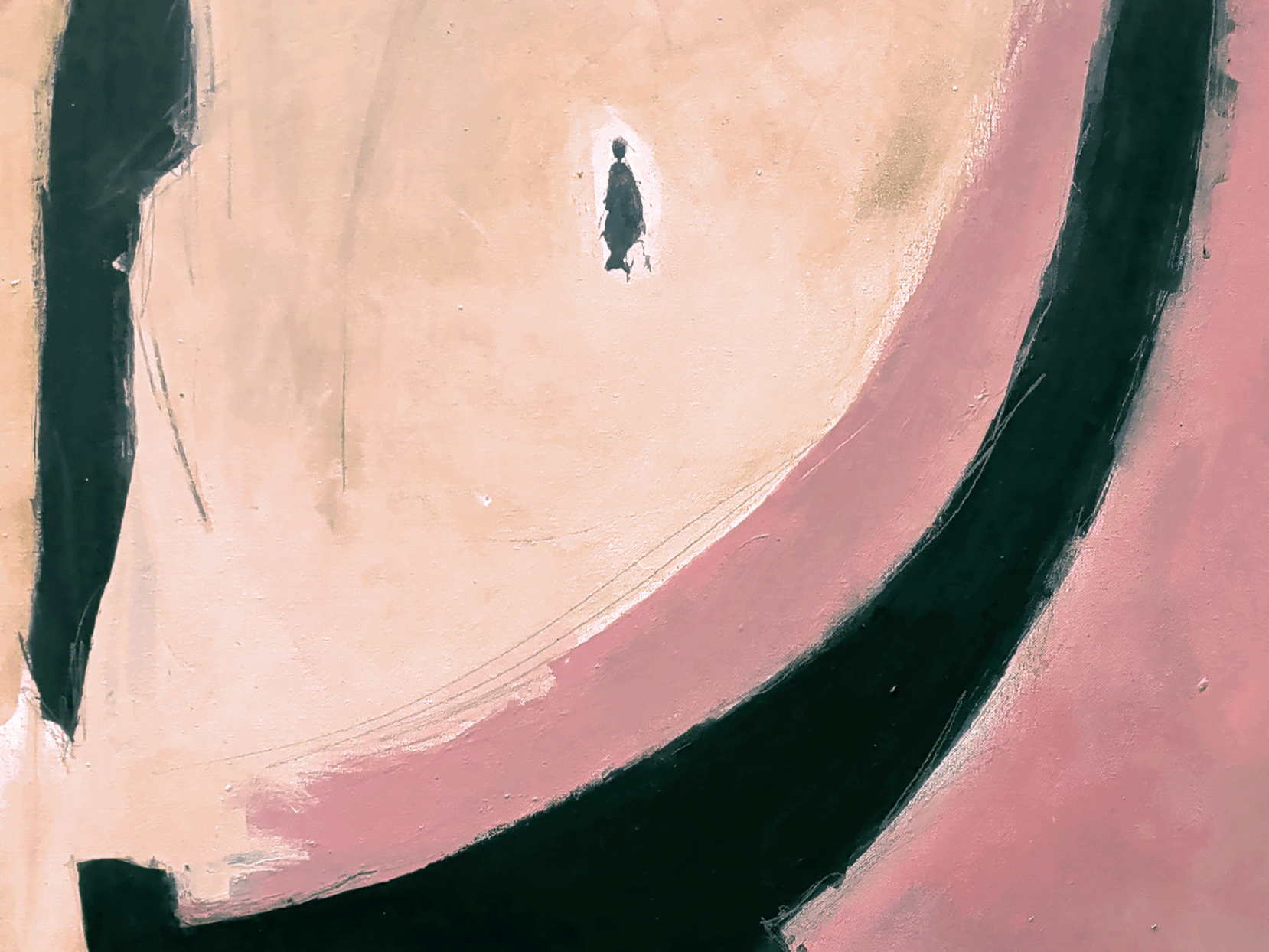
Those things are part of the life of the painting.
I don’t want everything to reveal itself immediately. The paintings I’m most interested in have some areas that grab you right away and others that take a little longer. You might notice one thing the first week, something else a month later, and some strange little mark six months later and wonder how you never saw it before. I like that kind of discovery.
It doesn’t have to match the room
I think people sometimes put too much pressure on artwork to match everything around it. Of course color matters. Scale matters. The room matters. But I don’t think a painting has to politely blend into the furniture and promise not to cause any trouble.
Sometimes the best piece brings something into the room that wasn’t already there: a little tension, some personality, an unexpected color, or simply something that makes the space feel less like a showroom and more like somebody actually lives there.
Especially with abstract work, I think there’s value in letting the painting have its own presence instead of asking it to behave like another piece of décor.
Connection can be hard to explain
I’ve had people stand in front of one of my paintings and connect with it right away, even when they couldn’t really tell me why. I completely understand that because I’ve had the same reaction to other artists’ work.
Sometimes it isn’t about the subject, because there may not be one. It might be the balance of the painting, the surface, the energy of the marks, the colors, or just something about it that feels familiar without being literal.
And honestly, I don’t think you need a smart explanation for why you like a painting. You don’t have to pass a test. Sometimes you just keep looking at it, and that’s enough.
I think about this a lot with my Counterweight series
With my Counterweight paintings, I’ve been thinking about balance without trying to make everything feel perfectly balanced. There are heavy areas and open areas, things that feel stable and things that feel like they might shift.
A lot of the surface comes from:
scraping and wiping things back
staining and layering color
drawing into and over painted areas
leaving traces of earlier decisions visible
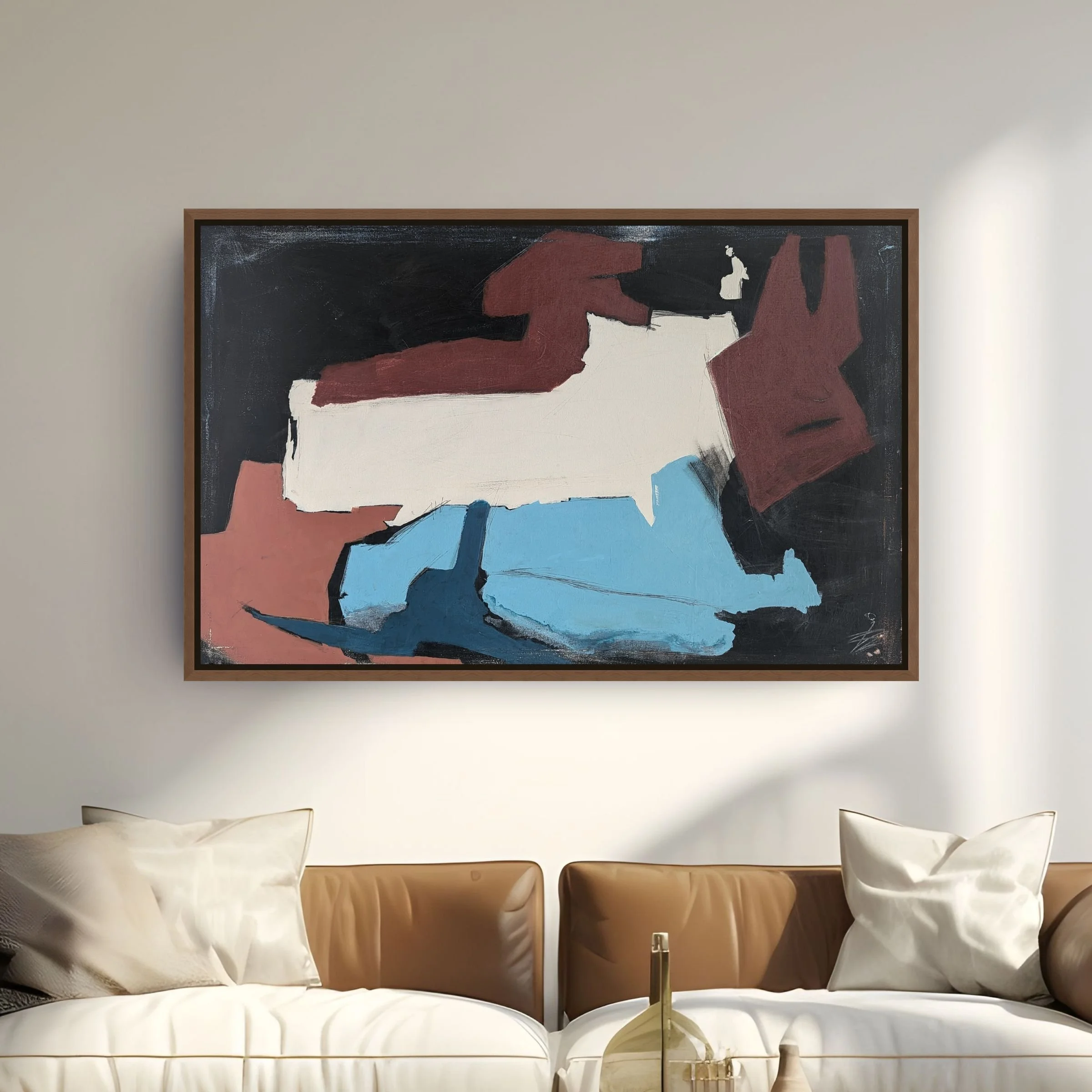
I want the paintings to feel finished, but not completely closed.
There should still be some air in them, some uncertainty, and something that keeps your eye moving instead of giving you one neat answer and calling it a day. That would probably be easier to paint, but not nearly as interesting.
Living with original art is different from seeing it online
A photograph can show you the composition and color pretty well, but it can’t really show you the surface. It doesn’t show how the light hits the paint at different times of day or the areas you start noticing after you’ve walked past the painting a hundred times.
It also can’t really show that moment when a painting starts to feel like it belongs in the room. That’s something I think about a lot when I make work. A painting doesn’t finish its relationship with people when it leaves the studio. In some ways, that’s where the interesting part starts.
For me, the best abstract paintings aren’t necessarily the ones that explain themselves immediately. They’re the ones you can keep living with—the ones that still have something left to say after the first look.
